The Real Benefits of a Clean Grill
Your grill is a $500–$3,000 investment that lives outside, cooks your family's food, and holds open flame. A clean grill isn't cosmetic — it's how you protect flavor, safety, and everything inside the cabinet.
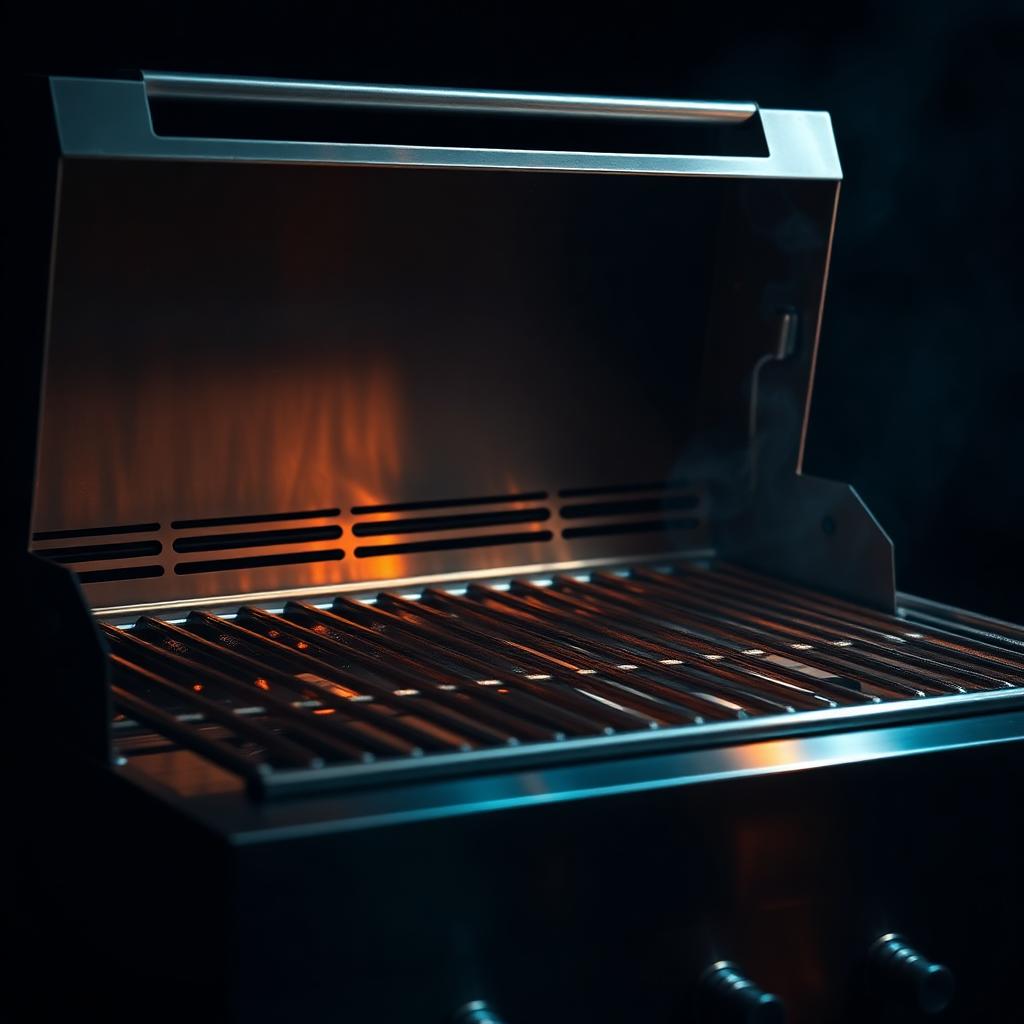
Better Flavor
No burnt residue tainting today's cook.
Fire Safety
Grease is the #1 cause of grill fires.
Healthier Meals
Fewer carcinogens from charred buildup.
Longer Grill Life
Protect grates, burners, and fireboxes.
Save Money
A $1,500 grill can last 10+ years clean.
Faster Cooking
Clean burners heat evenly and quickly.
Better, Cleaner Flavor
Every cook leaves behind a layer of carbonized grease, sugar from sauces and marinades, and micro-fragments of protein. Left on the grates, that residue doesn't just sit there — it burns again, and again, and again. By the fourth or fifth cook it stops smelling like "seasoning" and starts smelling like an ashtray.
Chefs call it flavor bleed. Last week's teriyaki salmon shows up in this week's ribeye. Sweet BBQ sauce turns bitter. Delicate proteins like chicken breast and fish absorb whatever is hiding in the grate — and there's a lot hiding in there.
- Crisp, defined grill marks instead of muddy char
- No cross-contamination between cooks (fish → steak → veggies)
- Marinades caramelize instead of scorching on old carbon
- Smoke from wood or pellets stays sweet, not acrid
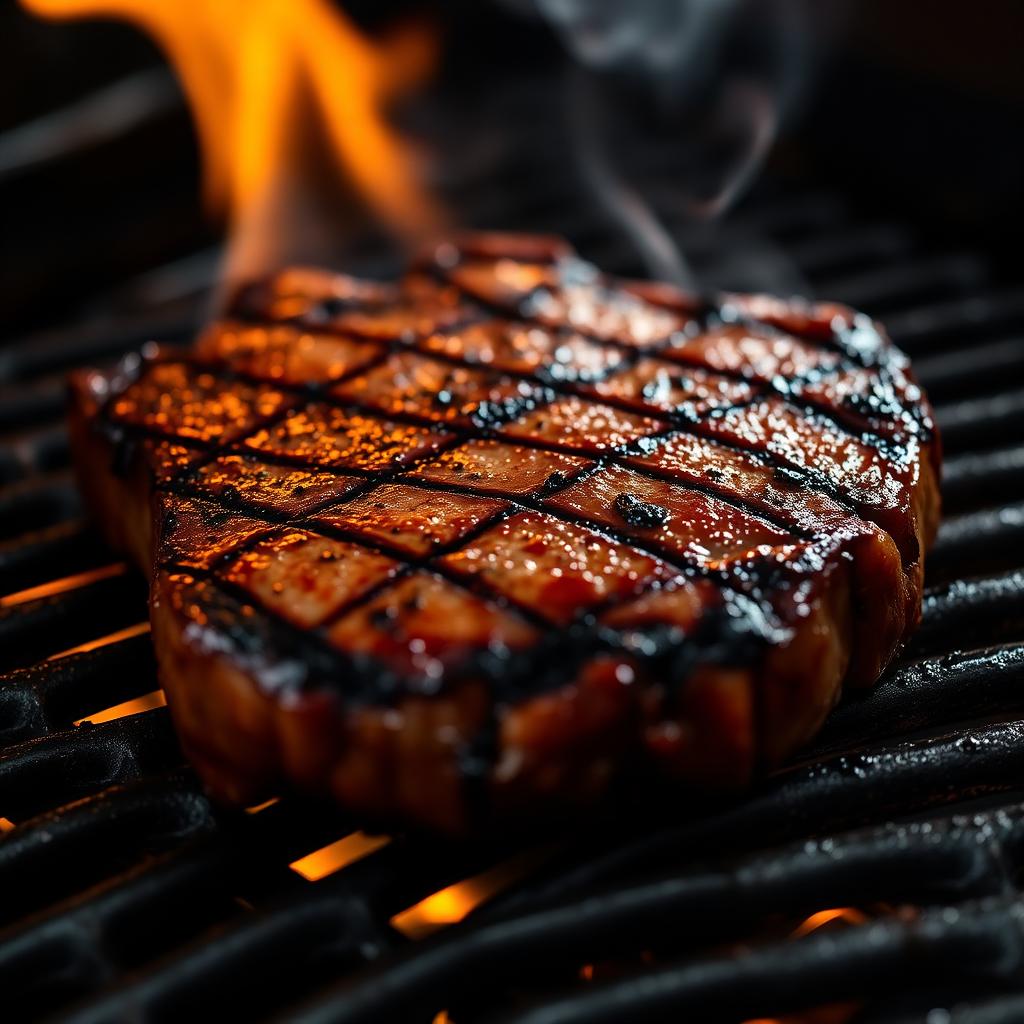
Serious Fire Safety
The National Fire Protection Association reports an average of 10,600 home fires started by grills every year in the U.S. — causing roughly $149 million in property damage. The leading contributing factor, listed in nearly one in five incidents, is failure to clean the grill.
Here's why: as grease drips down, it pools in the firebox, saturates the flavorizer bars, and coats the grease tray. Once it hits its flash point — about 600°F, well within normal grilling range — it ignites. Now you have a live grease fire fed by a full propane tank, under a wooden deck, next to your house siding.
The math is brutal
A single tablespoon of pooled grease can sustain a flare-up hot enough to warp cast-iron grates and melt burner tubes. Deep cleaning removes it before it ever ignites.
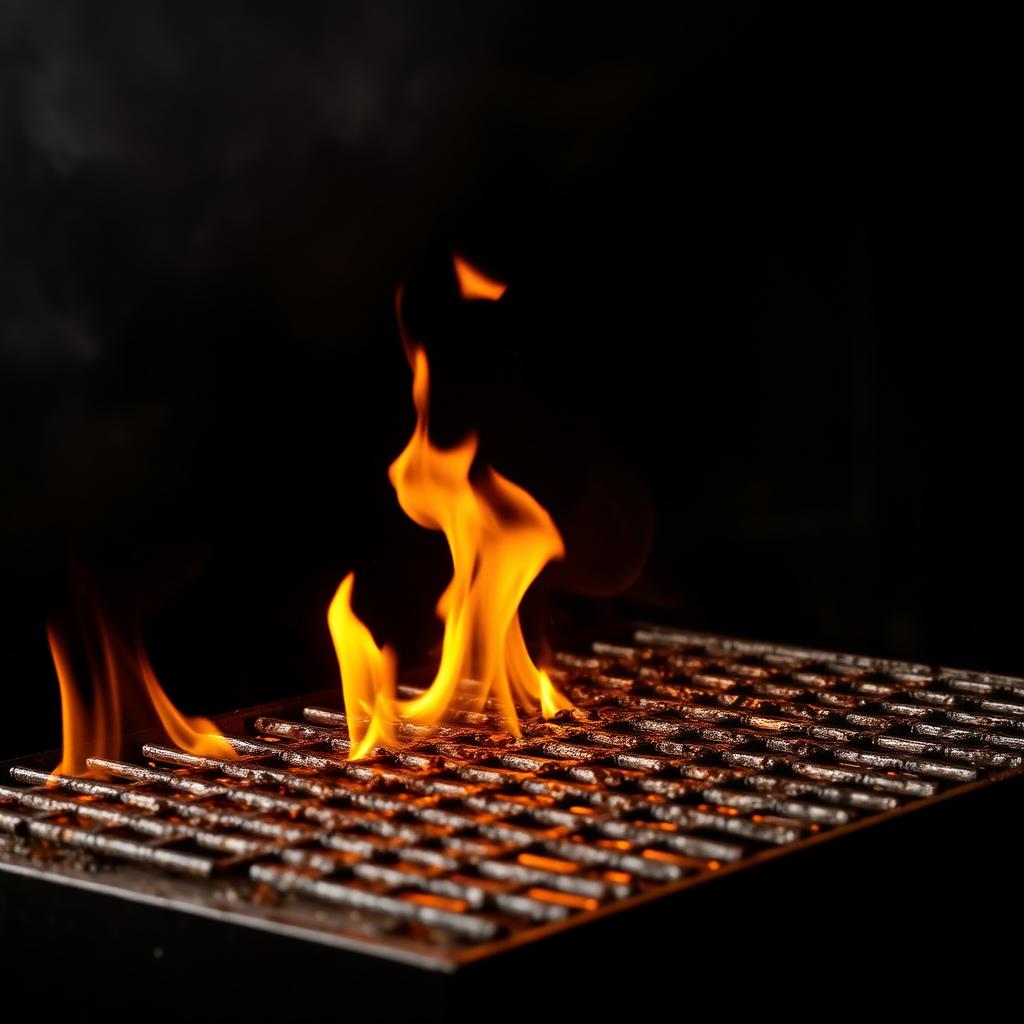
Healthier Meals for Your Family
When old grease and charred food carbonize repeatedly, they form two well-studied compound families: polycyclic aromatic hydrocarbons (PAHs) and heterocyclic amines (HCAs). Both are classified by the National Cancer Institute as probable human carcinogens, and both concentrate in the black, flaky crust that builds up on neglected grates.
That crust doesn't stay on the grill. It transfers directly onto the food you serve — the same food you feed your kids, your parents, your friends. There's also the bacterial angle: warm, greasy grates left uncovered for a week can host salmonella, E. coli, and listeria, especially in humid climates.
- Dramatically less PAH & HCA transfer to cooked food
- No stale bacteria from the last cook still living in the grates
- Peace of mind when you're grilling for guests or family
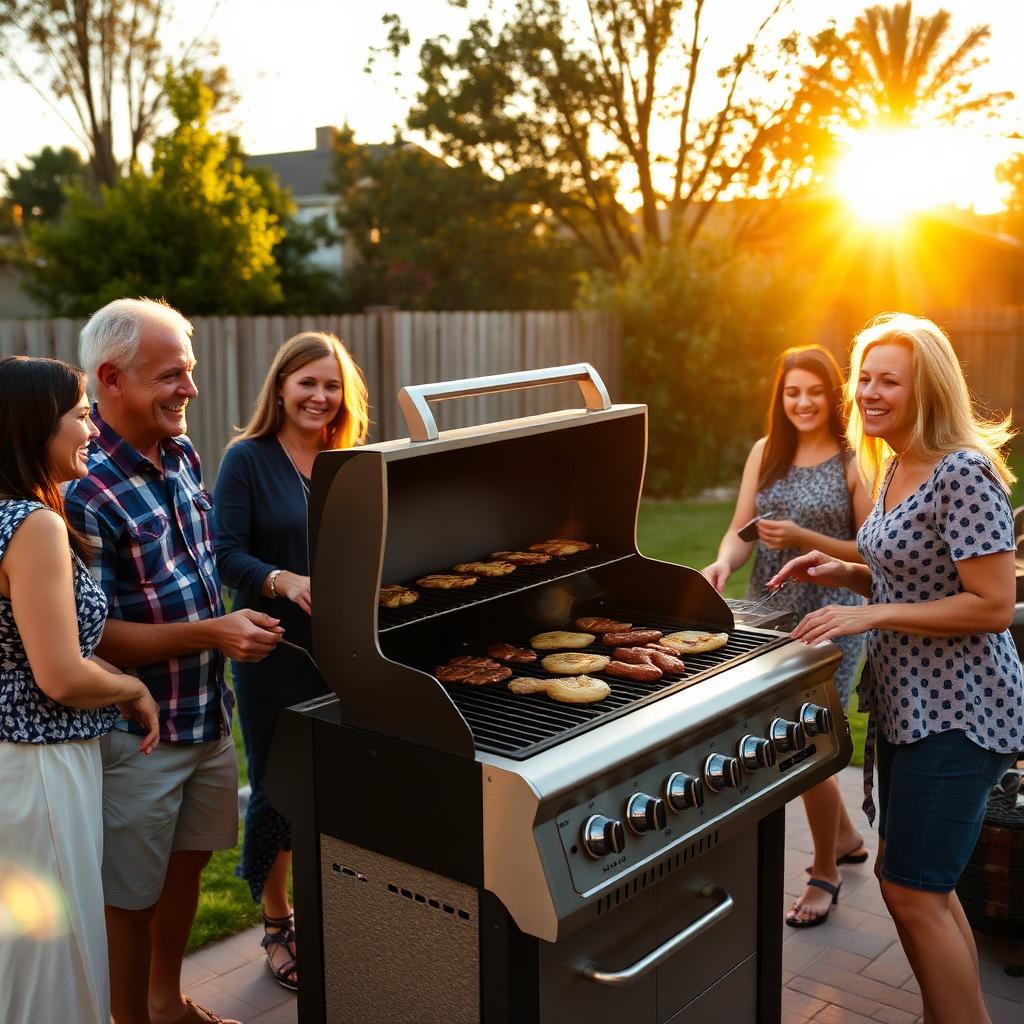
Your Grill Lasts Years Longer
A quality grill — a Weber Genesis, a Napoleon Prestige, a Traeger Ironwood — costs $1,200 to $3,500. Manufacturers rate them for 10 to 15 years of use. In practice, most die at 4 to 6 years. The killer isn't weather. It's acidic grease corrosion from inside.
As grease breaks down it releases sulfuric and acetic acids. Those acids sit against stainless steel, cast aluminum, and brass burner tubes 24/7, eating microscopic pits into the metal. Once the pits hit the wall thickness, you get burner failure, firebox rot, and collapsing heat plates. All completely preventable.
Faster Preheat, Even Heat
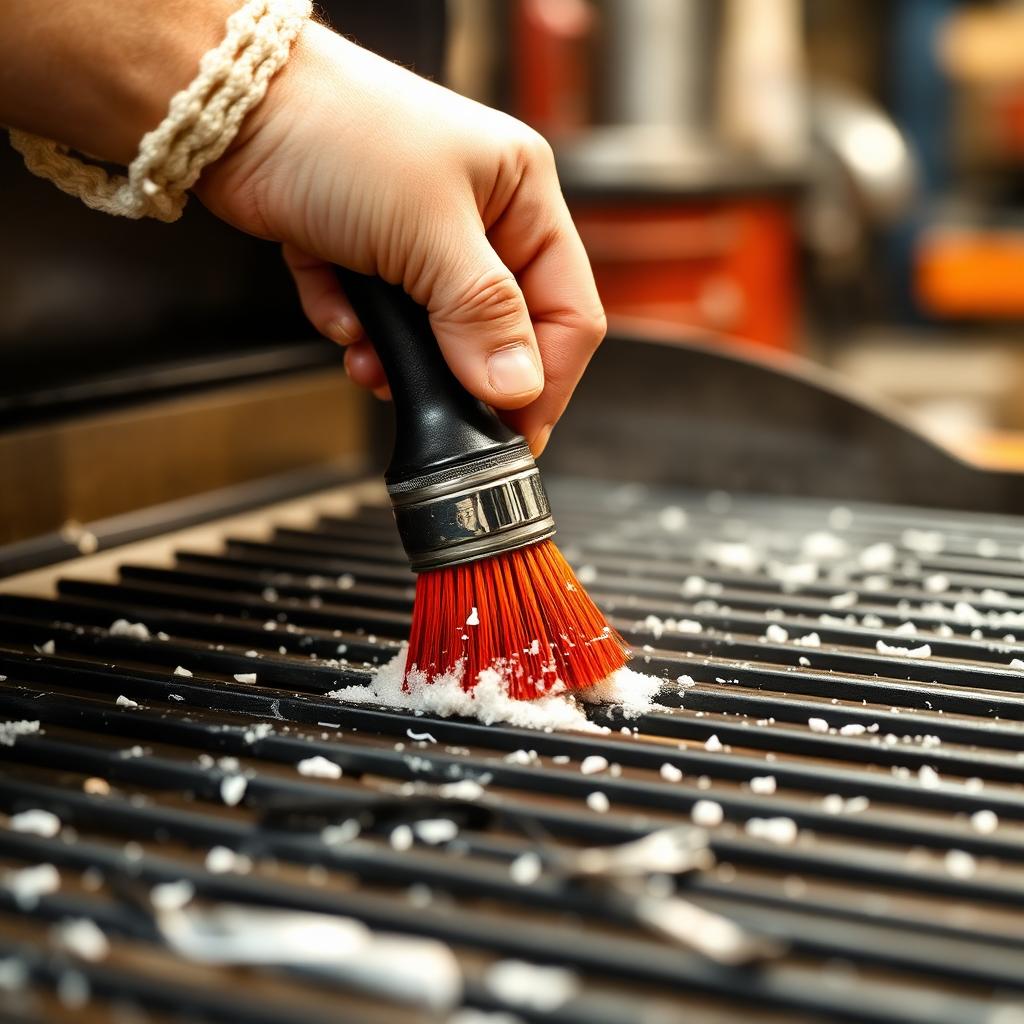
Clogged burner ports are the silent killer of grill performance. When grease and spider webs (yes, really — they love propane tubes) block the tiny holes across the burner, gas flow becomes uneven. You end up with hot spots, cold spots, yellow tipping, and a preheat time that stretches from 10 minutes to 25.
A deep-cleaned grill fires up faster, holds temperature more steadily, and gives you a genuine sear zone instead of a mystery gradient. Pellet and kamado grills benefit too — a clean firepot means predictable pellet feed and clean smoke, not sooty backdrafts.
- Preheat times drop by 30–50%
- Even heat across the entire cooking surface
- Lower gas or pellet consumption per cook
- Cleaner combustion = cleaner smoke flavor
Setting the record straight
Common myths, debunked
The fire burns off the germs, so I don't need to clean.
Heat kills live bacteria but leaves carbonized carcinogens (PAHs & HCAs) behind — and those transfer straight onto your food.
A quick wire-brush scrape is enough.
Brushing addresses the top of the grates only. Grease still pools in the firebox, drip tray, and flavorizer bars — where actual fires start. Wire bristles can also break off and end up in food.
Cleaning voids my warranty.
The opposite. Most manufacturers require documented cleaning to honor warranty claims on burners, ignition systems, and cook boxes.
My grill cover keeps it clean.
Covers protect against weather. They do nothing about the grease already inside — and can actually trap moisture that accelerates corrosion.
How often is enough
A cleaning cadence that works
The 5-Minute Reset
- Preheat 10 min on high to burn off residue
- Brush grates with a bristle-free scraper
- Wipe exterior with a damp cloth
The Deep Wipe
- Empty and wash the grease tray
- Vacuum the firebox and burner tubes
- Inspect flavorizer bars & heat plates
Professional Detail
- Full disassembly & steam cleaning
- Burner port clearing & gas leak check
- Restore stainless & re-season cast iron
Let us handle the dirty work
The Grill Guyz do full-service deep cleans on gas, charcoal, pellet, kamado, and built-in grills. You get every benefit on this page — without the four hours in the driveway.
Book your cleaning